Switching from window air conditioners to a whole-home air conditioning system is one of those home improvements that changes how you live in summer. Manor gets hot, humidity rides in after a rainy front, and window units can feel like tactical gear rather than comfort. If you are tired of balancing noise, uneven cooling, and stacks of condensation pans, moving to a professionally installed central or ductless system pays back in comfort, lower operating headache, and often lower long-term cost. This guide walks through the practical choices, the math, the local realities in Manor TX, and how to pick the right installer so the switch goes smoothly.
Why leave window units behind Window units are cheap to buy and quick to install, which makes them attractive for renters and homeowners on a tight budget. But they also carry real trade-offs. Most window units are noisy; they block a window and compromise egress; they cycle inefficiently; they are sized for single rooms; and they create hot and cold islands across an open floor plan. Running several of them to cool a whole house multiplies electricity draw and maintenance chores. You will pay for all those drawbacks through higher electric bills, more frequent repairs, and worse indoor air quality.
A full AC installation, whether central air with ducts or a multi-zone ductless mini-split, addresses those problems. Properly sized and installed equipment runs longer, cycles less frequently, filters air better, and cools consistently. The upfront price is higher, but when you budget it against improved efficiency and fewer service calls the value becomes obvious. If you have ever searched for "AC Repair in Manor TX" or "emergency AC repair near me" at midnight and felt the dread of being without cool air, you know the reliability argument is not abstract.
How to choose between central air and ductless Central air connects to a duct system and a single outdoor condensing unit. Ductless systems use wall-mounted indoor units and a small outdoor condenser for each zone. The choice depends on your house layout, existing ductwork, budget, and long-term goals.
Central air usually makes sense when your home already has ductwork in decent condition. A properly sealed and insulated duct network distributes conditioned air evenly and hides equipment from sight lines. Central systems are often less expensive per ton of capacity, and they integrate easily with whole-home filtration, humidifiers, and smart thermostats.
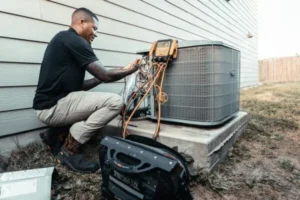
Ductless mini-splits shine when you have no ducts, have rooms that require independent control, or want minimal disruption during installation. A ductless add-on can cool a second story or a converted garage without opening walls to install ducts. Mini-splits also have high efficiency ratings at partial load, which helps in climates where long, moderate cooling cycles are common.
A quick checklist to narrow the options
- Determine whether your house has usable ducts and whether those ducts are properly sealed and insulated. Count the rooms and identify where you want independent temperature control versus a single comfortable zone. Consider future plans, for example adding a room or finishing attic space. Compare the upfront installed cost versus estimated annual operating cost for both options. Talk to a local installer about realistic timelines for each approach.
Sizing matters more than brand Hiring a licensed contractor to perform a Manual J heat load calculation is non-negotiable. If someone quotes a system based only on square footage, move on. Manual J accounts for insulation, window orientation, glass area, roof assembly, shading, occupant count, and appliances. An undersized system will run constantly and fail to meet comfort goals, while an oversized system will short-cycle, causing humidity problems and higher wear.
In Manor, solar gain is a big factor. West-facing rooms can add significant cooling load in the late afternoon. A typical three-bedroom home of 1,600 to 2,000 square feet in Manor often lands in the 2.5 to 4 ton range, but every house is different. Expect the contractor who does a proper load calculation to share a line-item rationale for the chosen capacity.
Efficiency and performance metrics to consider When comparing equipment, look beyond SEER as a single number. Higher SEER ratings mean lower energy use in part-load conditions common to our climate, but real-world savings depend on installation quality. Pay attention to variable-speed compressors and blower motors, which allow smoother operation, quieter performance, and better humidity control. Two systems with similar SEER can behave very differently if one is single-stage and the other is variable-speed.
Also consider the following:
- Airflow capability of the indoor unit and whether ducts can deliver the required CFM to each room. Electrically efficient components if you are considering pairing the system with solar panels in the future. Warranty details, particularly whether labor is covered or only parts.
Permits, inspections, and HOA rules Manor requires permits for major HVAC replacements and new systems. Permit processes exist to ensure safe refrigerant handling, proper electrical connections, discharge clearances, and proper combustion air for any gas appliances affected by duct changes. Skipping permits may save a few hundred dollars today but can complicate resale or insurance claims later.
If you live in a neighborhood with a homeowners association, check design rules for outdoor condensers and visible wall units. Some HOAs limit where outdoor equipment sits or require screening.
Typical installation timeline and what to expect A straightforward replacement of an existing central system where ducts are in good shape can often be completed in one to two days. If ductwork needs repair or resizing, add a day or two. Installing a ductless system usually takes one to three days per zone depending on wall access and condenser locations.
Expect the crew to arrive with the outdoor condenser, indoor air handler(s), line sets, and a vacuum pump. They will remove old equipment, mount and recharge the new system, perform a refrigerant evacuation and charge, and balance airflow. The installer should test static pressures, measure airflow, and demonstrate system operation before leaving. Ask for the pull-down time — how long it takes the system to lower the living room temperature by 10 to 15 degrees under a set condition. That number gives you a practical sense of comfort performance.
Costs and financing: real numbers and ranges Installed cost depends on system type, capacity, ductwork condition, complexity of line-set runs, and local labor rates. In central Texas a basic central air replacement might start near the low to mid $5,000 range for an older home with minimal duct repairs. For higher-efficiency systems, full installations commonly fall in the $7,000 to $14,000 range. Ductless multi-zone systems typically begin around $4,000 for a single zone and scale up with each added indoor unit. Premium, multi-ton, variable-speed systems with full duct replacement can exceed $15,000.
To make the decision less painful, many reputable local contractors offer financing options. Work through the true payback rather than sticker shock: annual energy savings, reduced emergency repairs, and improved home value. If you have had to search for "emergency AC repair near me" multiple times, factor the cost of out-of-hours service calls into the decision. Those calls often carry high premiums that add up.
Picking the right contractor in Manor TX Not every HVAC company is equal. Some focus on quick installs with minimal diagnostics, others emphasize long-term performance. Look for these anchors when evaluating contractors.
License and insurance. Confirm the contractor holds the state and local licenses required for HVAC work and has liability and workers compensation insurance.
Local references. Ask for recent Manor projects and call one or two homeowners. Specifics matter, for example whether the crew cleaned up, completed the job on schedule, and addressed punch-list items promptly.
Detailed proposal. The estimate should include model numbers, SEER ratings, scope of ductwork, blower size and expected airflow, materials, permit costs, and warranty details. Generic, low-detail bids are a red flag.
Performance testing. The installer should commit to measuring static pressure, supply and return temperatures, and refrigerant charge. Ask if they will provide the pre- and post-install performance report.
Service and emergency response. Find out their policy for emergency AC repair in Manor TX, typical response times, and who answers nights and weekends. A local company that can come out quickly matters when temperatures spike.
A brief story from the field A neighbor in Manor replaced three tired window units with a two-ton ductless split for the downstairs living area and a single-zone ductless for the upstairs master. The quoted price was higher than a patchwork of new window units, but the family stopped juggling extension cords and condensation trays. Their electric bill dropped by an estimated 20 to 30 percent compared to running three window units concurrently, and the upstairs humidity felt noticeably better. They now control each floor independently, and the minimal outdoor footprint meant the HOA had no issue. The contractor provided a one-year air handler and compressor labor warranty and a five-year parts warranty. Having a documented service plan removed a lot of the anxiety that used to drive emergency calls.

Avoid these common mistakes One trap is installing a higher tonnage unit to "guarantee" coolness. Oversizing leads to short cycles, humidity retention, and premature wear. Another error is ignoring duct condition during replacement. Leaky, poorly insulated ducts can waste 20 to 40 percent of capacity. Finally, skimping on refrigerant lines or using poorly made line sets invites leaks and service headaches down the road.
What to ask during your estimate visit Ask the installer to explain why they chose the proposed system and how it addresses your specific home. Request a walkthrough of where condensers will sit and how condensate will be routed. Confirm whether they will need to open ceilings or walls, and if so, how they will restore finish materials. Get the expected completion date and a clear payment AC Repair Manor TX ATX Heating & Air Conditioning LLC schedule tied to milestones. Also ask about maintenance plans and whether they offer service packages for seasonal tune-ups.

Maintenance after installation An AC system is an appliance that benefits from periodic attention. Filter changes every one to three months, seasonal coil cleaning, and an annual tune-up that checks refrigerant charge, motor amperage, and overall performance will extend equipment life and preserve efficiency. Many installers offer service agreements that include priority scheduling for repairs, which reduces the chance you will be searching for "emergency AC repair near me" at the worst possible time.
How ATX Heating & Air Conditioning LLC fits in Local firms such as ATX Heating & Air Conditioning LLC understand both the technical side and the local realities like permit processing, HOA rules, and common construction details in Manor. A local company can often respond faster to service calls and has familiarity with product performance in the area. When you interview potential installers, ask whether they provide a detailed Manual J report, performance certificate after install, and a maintenance plan. These are signals the company cares about system longevity as much as the sale.
When a phased approach makes sense Not every home needs a single, large overhaul. You might choose a phased approach: replace the most-used rooms first with ductless zones, then add a central unit later if you want whole-house control. Phasing reduces immediate cost, spreads work over time, and lets you evaluate how a new system changes comfort and energy use. It also gives you a chance to fix ducts incrementally, addressing the worst leaks before a major equipment install.
Dealing with heat advisories and timing Schedule major HVAC work outside of heat advisories and the busiest service season if possible. Summer is hectic and lead times for parts or specific equipment models can grow. Spring or fall installs usually allow faster scheduling, better weather for outdoor work, and more relaxed testing windows. If you are moving into a hot season and need immediate relief, a temporary high-efficiency window unit or portable system can bridge the gap while you plan the full installation.
Final practicality: resale and home value A properly installed, efficient AC system improves marketability in Manor and across central Texas. Buyers increasingly expect reliable cooling systems and documented service history. If you plan to sell within a few years, prioritize systems with transferable warranties and keep receipts for maintenance. Realtors know the value of a recent HVAC replacement and will often reflect that in buyer interest and appraisal conversations.
Making the move The transition from window units to a full AC system is a practical upgrade that reduces daily friction and often lowers ongoing costs. The best decision balances careful load calculations, honest assessments of duct condition, realistic budgets, and a local installer who documents performance and stands behind their work. Whether you search for "Ac installation in Manor TX" or need service after install, choosing a contractor who tests, measures, and explains makes all the difference. If emergency service speed matters to you, prioritize companies with rapid response policies and local technicians.
If you want help evaluating quotes or deciding between central and ductless for a specific layout, bring a floor plan and a list of problem rooms to your estimate. A clear photo of existing ducts, attic access, and exterior condenser locations speeds diagnosis. With the right planning, moving off window units can transform a hot Austin summer from ordeal to comfort.
ATX Heating & Air Conditioning
13809 Theodore Roosevelt St., Manor, TX - 78653
(737) 406-8083
[email protected]
Website: https://atxheatingandac.com/